 DST Eco
 The UAE is halfway to 100 million mangroves
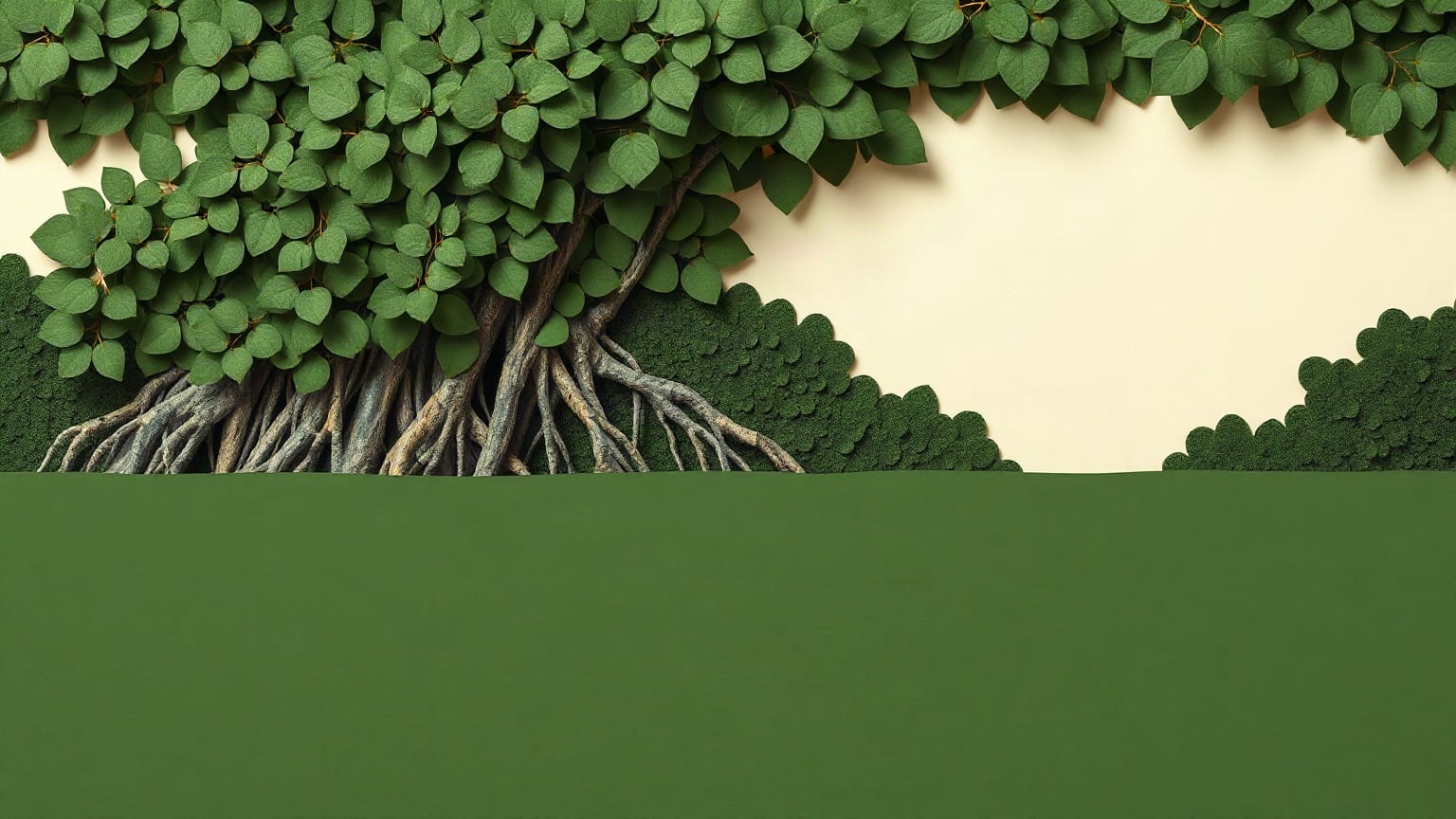
Halfway with four years to run sounds comfortable until you remember what the denominator used to be. The UAE’s 2030 mangrove target was originally 30 million trees. It was raised to 100 million — so the current 51 million is not half of the original ambition, it is nearly twice it.
Where the programme stands
Approximately 51 million mangroves have been planted, 51% of the 100 million target for 2030.
Hiba Obaid Al Shehhi, Assistant Undersecretary for the Biodiversity and Aquatic Life Sector at the Ministry of Climate Change and Environment, described a shift in approach: marine conservation is no longer focused solely on protecting existing natural resources, but increasingly involves restoring damaged ecosystems.
The other numbers in the same programme
Marine and coastal protected areas: 12% of national waters, against a 30% target for 2030. There are 16 protected areas in the UAE.
This is the figure carrying the real gap. Mangrove planting is a schedule; raising protected coverage from 12% to 30% is a set of decisions about who may fish, anchor and build where — and those move slowly for reasons that have nothing to do with horticulture.
Coral
A project in Fujairah aims to establish 1.5 million coral colonies over five years, covering more than 300,000 square metres. Since 2018, 66,173 coral pieces have been cultivated across 22,827 square metres. Research has mapped 210 coral locations and identified more than 55 hard coral species.
Set those side by side and the scale of the new project is clear: it proposes to do roughly twenty times as much area in five years as the previous eight produced.
Artificial habitat
By the end of 2025, 22,982 artificial cave structures had been deployed under a programme running since 2016.
Why mangroves, specifically
A mangrove is three pieces of infrastructure at once: a carbon store that holds far more per hectare below ground than above it, a nursery that fish stocks depend on, and a wave break that reduces what a coastline has to be engineered to withstand. Counting trees is a proxy for all three, which is why the count gets published.
Planted mangrove counts and surviving mangrove counts are different measurements, and the gap between them is where these programmes are actually judged. Survival depends on tidal elevation at the planting site more than on the number of seedlings put in — a stand set even slightly too high or too low in the tidal frame will thin out over its first three years regardless of how carefully it was planted.
Source: Gulf News checked against the source
More news
Wadi Wurayah inscribed
UNESCO inscribed Wadi Wurayah in July. The citation counts 1,099 species in the Hajar mountains of Fujairah — roughly half the terrestrial mammals recorded in the whole country.
A first environment conference
The Dubai Environment and Climate Change Authority stages the emirate’s first Environment Conference and Exhibition at the Grand Hyatt, across six themes that include food security, the circular economy and environmental AI.
Apple's climate number gets a new owner
Apple says its carbon footprint is 60% below 2015. On 1 September the person who has to keep saying that became someone else — and he is the one who signed off the hardware.