 DST Eco
 DST opens a non-commercial environmental direction
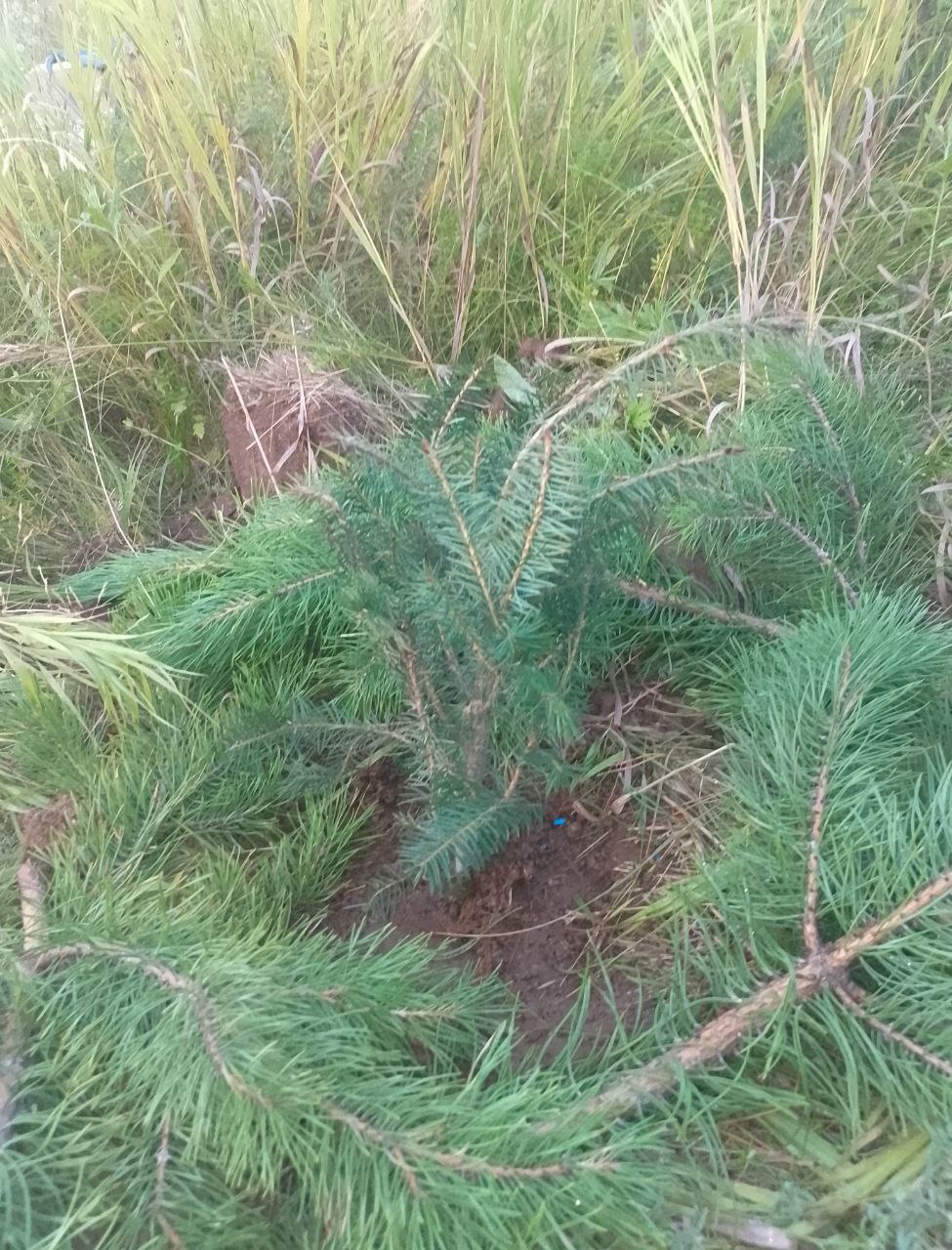
DST moved its environmental activity off a single paragraph on the main site and gave it a dedicated address, eco.dst.llc. The change is structural, not cosmetic: instead of a general sustainability statement, the site is a running portfolio where each planting or initiative gets its own record — species, planter, and coordinates included.
The first record covers Douglas fir saplings planted in the Sverdlovsk region of Russia, with a location precise enough to check on a map rather than a stock photo standing in for the place.
Nothing on eco.dst.llc is sold or counted as an offset. It's a public log of funded activity DST does because it wants to, kept separate from the group's commercial verticals so the two claims never blur together.
Environmental line items in company reports are easy to state and hard to verify. Publishing each planting as its own record with coordinates is a deliberate choice: it invites anyone to go and check, instead of asking them to take a summary figure on faith.
Nikolo-Pavlovsky district, Sverdlovsk region — near Shilovka, on the Shaytanka river on the map
Want updates on new eco records?
Leave an email and we'll let you know when a new planting or initiative is added to the portfolio.
Related

More news

Wadi Wurayah inscribed
UNESCO inscribed Wadi Wurayah in July. The citation counts 1,099 species in the Hajar mountains of Fujairah — roughly half the terrestrial mammals recorded in the whole country.

800MW left in phase six
DEWA puts the Mohammed bin Rashid Al Maktoum Solar Park at 3,860MW today, with the remaining 800MW of phase six scheduled to be commissioned by the end of the year.

Solar, now the largest fleet
The IEA’s Global Energy Review 2026 puts 2025 solar additions above 600 GW for the first time, taking the cumulative fleet to about 2,800 GW — more installed capacity than any other generating technology.